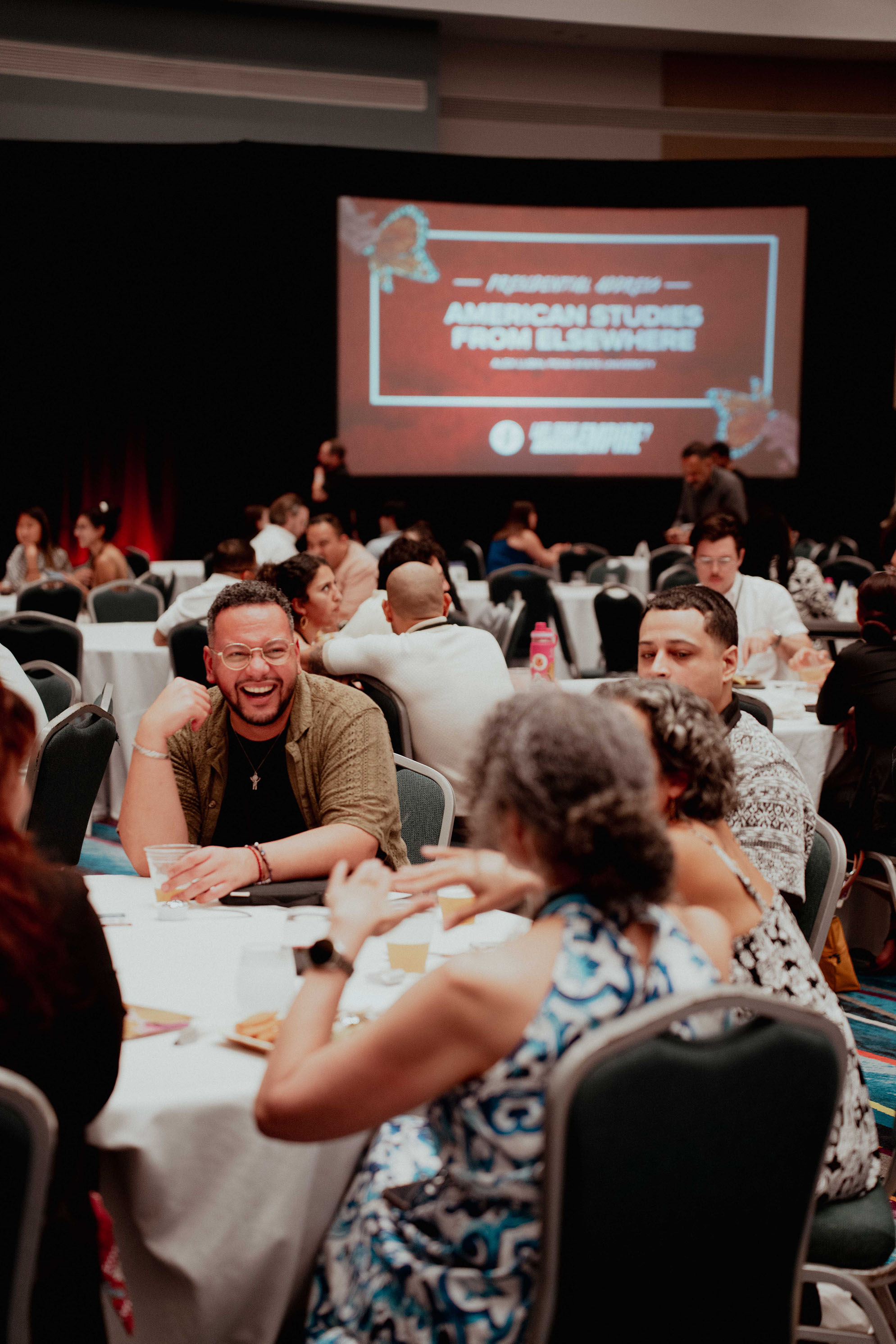

Researchers, teachers, students, writers, activists, curators, community organizers, and activists from around the world who are dedicated to the interdisciplinary study of U.S. culture and history in a global context.
Many things that connect us to each other. We publish American Quarterly; organize an annual international meeting and regional events; provide resources; and collaborate with museums, public institutions, and communities.
Original research, teaching, critical thinking, public discussion, and dissent. We share a commitment to viewing U.S. history and culture from multiple perspectives and taking a stand on issues of importance and broad consensus.
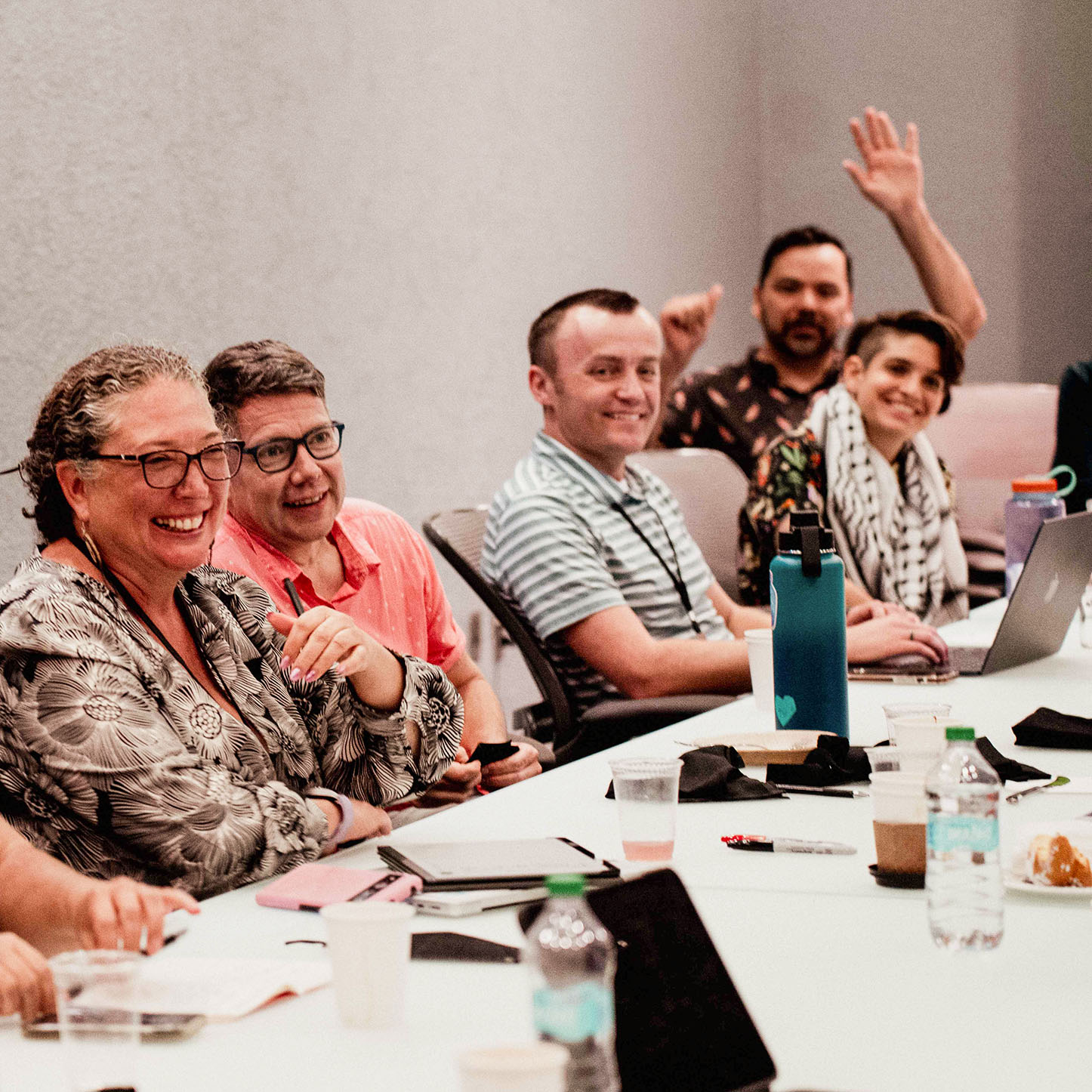
Participation in the ASA gives you access to a vibrant scholarly community—at and beyond the annual meeting. You’ll find abundant opportunities for professional advancement, intellectual engagement, and personal development.
Normally, American Quarterly's September edition focuses on a specific topic. This year, things are a little different. Due to the change in institutional home for the journal, this September issue consists of essays that we received in the general pool of submissions. We will return to September special issues in 2026 and 2027 and urge readers to consult our website for instructions if they are interested in editing one of their own.
This edition might not seem intellectually cohesive, but the four research essays, four reviews, and one Praxes contribution contained here do represent what AQ is all about, since each piece, in one way or another, challenges readers to rethink what they think they know about its subject matter. This is especially true of the research essays, which display an impressive range of critical interventions. Joseph Keith interrogates the meanings of small islands and the devastation wrought by imperialist thinking. Justine Frerichs illuminates how a 2020s court case ties resource extraction in contemporary Indian country to a nineteenth-century massacre. Kendall Gordon Artz sheds new light on the racial dimensions of the Lumber War in western Louisiana's Piney Woods. Joseph D. Martin investigates the politicization of US scientists in the mid-twentieth century. In...
Explore AQ »